
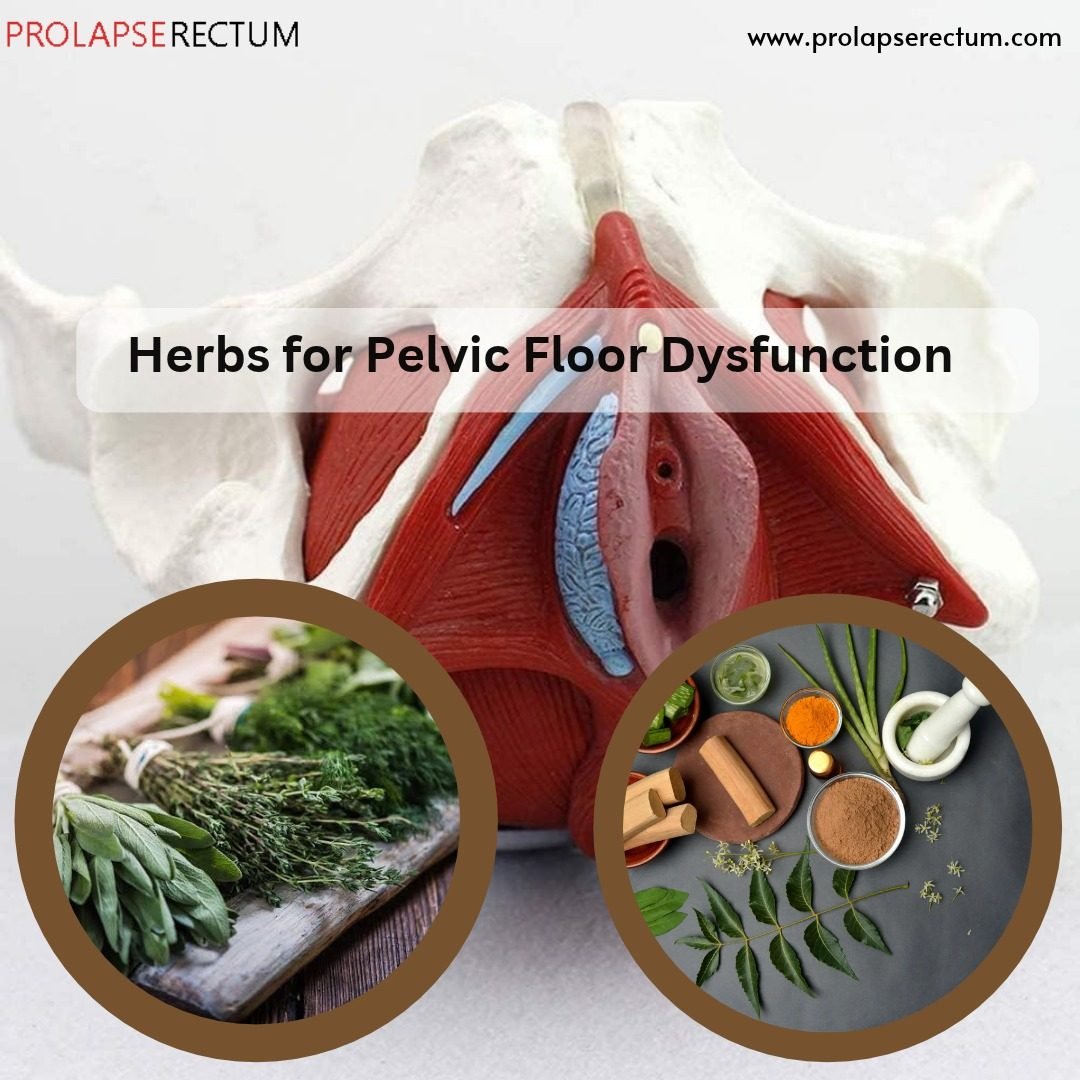
Summary: Explore five herbs that may support digestive health alongside practical tips for managing pelvic floor dysfunction. Learn why professional assessment and appropriate treatment remain essential for lasting support.
Contents
Herbs for Pelvic Floor Dysfunction
Problems relating to the pelvic floor affect a person’s ability to perform routine activities, including bowel movements and urinary functions. Some herbs help improve digestion and bowel movements, but they cannot substitute for proper Ayurvedic medical intervention to treat weakened pelvic floor muscles.
5 Useful Herbs for Pelvic Floor Dysfunction
There are herbs that may promote healthy digestion and prevent constipation that might cause straining.
- Psyllium Husks: Plant-based fibers that aid in softening the stools and maintaining healthy bowel movements when taken with an adequate amount of water.
- Flaxseeds: Dietary fibers that help to maintain healthy bowel movements and prevent constipation.
- Ginger: Used traditionally for digestion and digestive relief.
- Turmeric: Contains curcumin that is known to have anti-inflammatory effects, but its role in pelvic floor dysfunction is yet to be established.
- Chamomile: Widely consumed in the form of tea for relaxation and digestive relief; does not help to treat pelvic muscle disorders.
Important Tips for Managing Pelvic Floor Dysfunction
These herbs alone will not fix any pelvic floor weaknesses or issues of organ prolapse. Some things you might want to do include:
- Get Yourself Assessed
- Consider Pelvic Floor Therapy
- Consume Foods High in Fibre
- Keep Yourself Hydrated
- Avoid Straining
The Bottom Line
Herbs are useful for improving elasticity, toning up the muscles, and improving overall well-being. That’s why they have been used as medicine to treat various conditions, including rectal prolapse, for years. Contact Daya Ayush Therapy Centre for more information on Ayurvedic treatment.
FAQs
Q1. Which herbs may support pelvic floor health?
Ans: Use of Psyllium husk, flaxseeds, ginger, turmeric, and chamomile may help alleviate the symptoms of pelvic floor dysfunction.
Q2. Can constipation make pelvic floor dysfunction worse?
Ans: Yes, chronic straining during defecation will exert pressure on the pelvic floor structures and might worsen the already present symptoms.
Q3. Do pelvic floor exercises help with dysfunction?
Ans: Yes, appropriately prescribed pelvic floor exercises can improve muscle strength, coordination, and control, depending on the underlying condition.
Q4. Are herbal supplements safe for everyone?
Ans: Yes, herbal medicines are safe and have no side effects. Consult with Dr H.B.Shandilya to know more about your condition and Ayurvedic treatment.
Q5. How does hydration support pelvic floor health?
Ans: Drinking enough water helps maintain softer stools, supports digestion, and may reduce constipation-related straining that places pressure on pelvic structures.