Summary: Choosing the right pelvic organ prolapse specialist means considering expertise, credentials, experience, communication, treatment options, and patient reviews to find personalised care that supports comfort, confidence, and better outcomes.
Contents
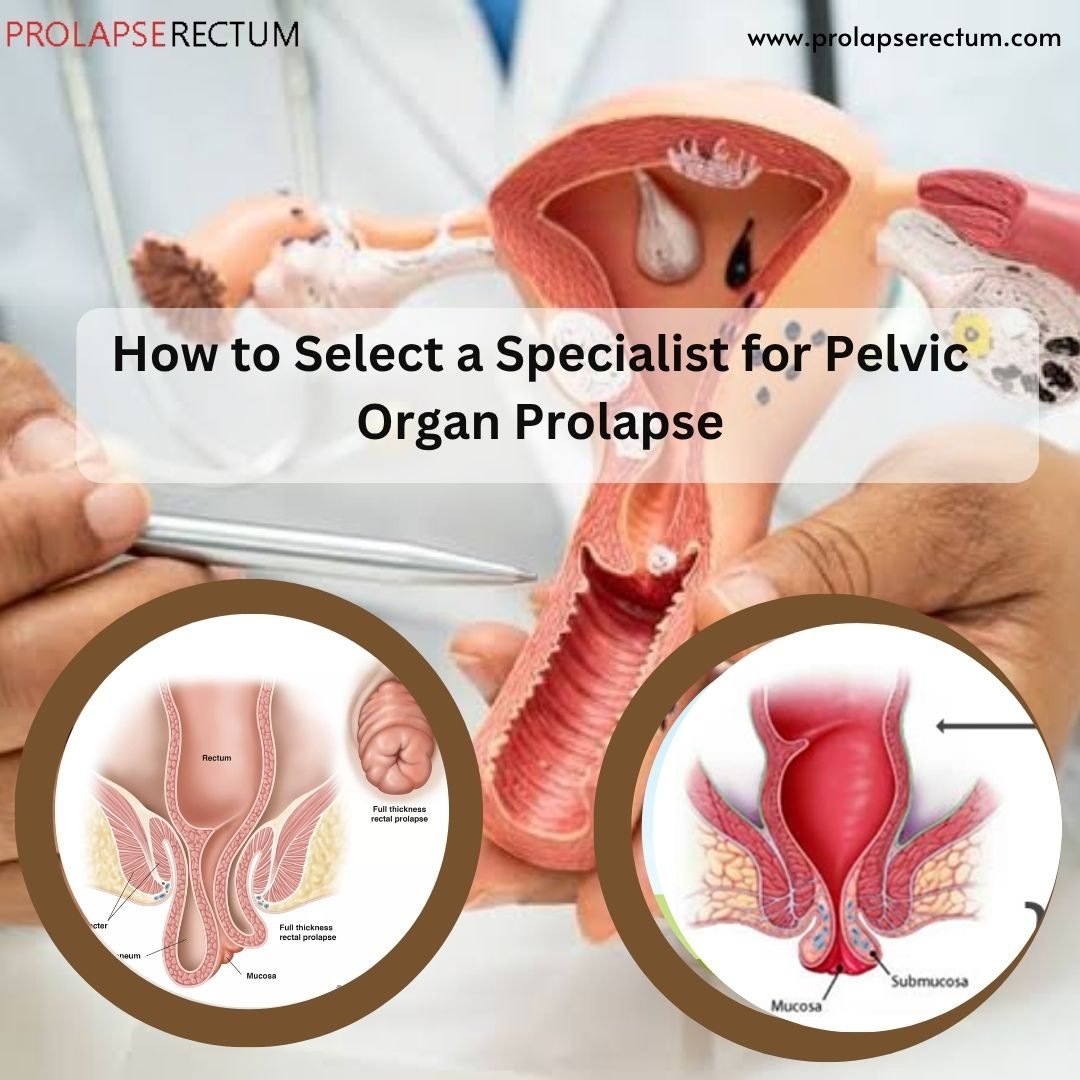
How to Select a Specialist for Pelvic Organ Prolapse
Pelvic organ prolapse can affect comfort, incontinence, bowel habits, and everyday activities. However, selecting a specialist to receive medical help from becomes easier with an appropriate choice of doctors. The main aim is clear. Select a specialist who will know your symptoms, offer solutions and suggest a treatment program for you.
Smart Ways to Choose the Right Prolapse Specialist
The right specialist must make you feel informed, heard, and comfortable talking about your symptoms. Consider the following six factors when selecting your doctor:
- Relevant Experience: Select an experienced specialist who is knowledgeable about the diagnosis and treatment of pelvic organ prolapse.
- Professional Credentials: Consider the education, certifications, hospital, and experience in managing prolapse patients.
- Treatment Choices: A good specialist will help you learn about non-surgical treatment options like Ayurveda.
- Your Symptoms: Select a specialist who can manage associated symptoms, such as urinary incontinence, bowel issues, or pelvic pain.
- Communication Skills: The specialist must be willing to discuss the procedure and answer all your questions.
- Patient Experience: Consider reviews from past patients, but consider them together with the professional credentials.
The Bottom Line
Choosing a specialist for pelvic organ prolapse is one step towards better comfort and confidence. Experience, communication, choice of treatment options, and individual requirements should be considered. The best specialist is a person you can trust, and that will give you a good roadmap to follow. Contact Daya Ayush Therapy Centre to consult with such a specialist.
FAQs
Q1. How do I choose the right prolapse specialist?
Ans: These include relevant experience, medical qualifications, available treatment options, communication, reviews from patients, and a doctor who is able to understand your specific condition.
Q2. What credentials should I check before choosing a specialist?
Ans: Medical qualifications, certifications, experience, hospitals that the specialist works in, and specializations that the specialist has in the field of diagnosis and management of pelvic prolapse conditions should be considered.
Q3. What questions should I ask a prolapse specialist?
Ans: Find out more about your diagnosis, available treatments and outcomes, possible complications, recovery process, alternatives, and how these will affect your activities.
Q4. Can pelvic organ prolapse be treated without surgery?
Ans: Yes, depending on the severity and symptoms, you might be offered lifestyle changes, observation, and Ayurvedic treatment.
Q5. How important is a specialist’s experience with prolapse?
Ans: Experience is important, as it allows doctors who see many cases of prolapse to differentiate the condition and suggest treatments.