
About Prolapsed Rectum
Home > About Prolapsed Rectum
About Prolapsed Rectum
Background of Prolapse Rectum
The term prolapsed rectum was discovered as early as 1500 BC. The disease appears when a mucosal or full-thickness layer of rectal tissue comes out of the anal orifice. The patient facing issues like constipation, fecal incontinence and rectal ulceration are prone to suffer from protruding rectum issue.
Three different clinical problems are clubbed under one disease:
a. Internal prolapse or internal intussusception.
b. Mucosal Prolapse
c. Full-thickness rectal prolapse
Prolapse Rectum Treatment in India
Though three different medical conditions are brought under one term but the treatment of these three are totally different.
Internal prolapse or internal intussusceptions – It is a medical condition that occurs with a partial or full-thickness rectal wall disorder, but the prolapsed anal tissues doesn’t go beyond the anal canal and certainly doesn’t protrude out of the anus.
Mucosal prolapse is described as the jutting out of only the rectal mucosa not the complete rectal wall.
Full-thickness rectal prolapsed is a medical condition in which the patient suffers from the full thickness of the rectal wall protrusion through anus. This is most common form of this disease diagnosed in patients for which learned professionals have devised a fitting rectal prolapse treatment.
Anatomy
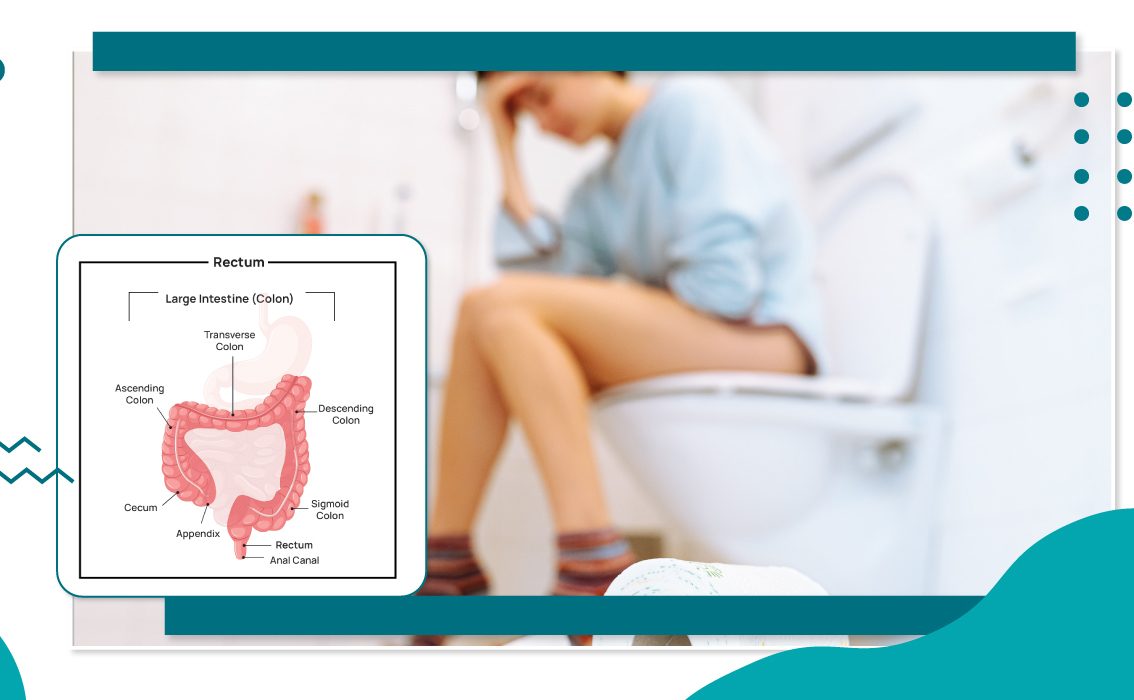
The rectum is located between the anal canal and sigmoid colon which is 12-15 cm from the large intestine. Its main function is to work as a reservoir for fecal matter in the body. The inner lining of the intestinal tract forms the mucosa. The connecting point of the ectoderm and endoderm in the anal canal is the dentate line.
Anatomically the external anal sphincter is a striated muscle which makes a circular tube around the anal canal. Going proximally, it joins with the levator any and the puborectalis to make one single complex group. Living beings can voluntarily control the external anal sphincter.
The internal anal sphincter is a very smooth muscle and is the most distal anatomical extension of the inner circular smooth muscle of the rectum and the colon. Anatomically it’s generally 2-3mm thick and 2.5-4 cm long. Living beings cannot voluntarily control the internal sphincter and is continuously contracts to prevent unplanned stool loss.
Pathophysiology
Though the medical science still hasn’t entirely understood or agreed upon the pathophysiology of the disease. But still there are two main theories behind it that are generally based on the same concept and explain the same thought in varied ways.
One of the main theory states that the disease is a sliding hernia due to a medical defect in the pelvic fascia. Another theory postulates the medical condition begins as circumferential internal intussusceptions of the rectum starting 6-8cm proximal to the anal end. With efforts and time, this development to full-thickness rectal prolapsed, however some sufferers never progress further than this stage.
Although the etiology and pathophysiology of mucosal prolapse probably differ from those of internal prolapse and full-thickness rectal prolapse. The patients suffer from it when the connecting tissue attachments of the rectal mucosa are stretched and slackened, thus letting the tissue to prolapsed through the anus. This generally happens due to continuous long- standing hemorrhoid disease and is treated for the same.
Generally, the disease starts with an internal prolapse of the interior rectal wall that progresses to the complete prolapse. In earlier times there were no treatment other than undergoing surgical procedure for the condition, there now exists procidentia treatment without surgery to take care of prolapsed rectum.
Etiology
The exact cause of the disease has still not been clarified yet; although, quite a few related medical conditions have been discovered. Almost around 50% of the cases occur due to constipation and chronic straining with defecation. Procidentia Ayurveda treatment has emerged as a savior and an effective cure for people who wish for a treatment without going under the knife.
Some other presumed issues comprises of the following:
a. Pregnancy
b. Previous surgery
c. Diarrhea
d. Benign prostatic hypertrophy
e. Chronic obstructive pulmonary disease (COPD)
f. Cystic fibrosis
g. Pertussis
h. Pelvic floor dysfunction
i. Parasitic infections such as schistosomiasis, amebiasis, etc.
j. Neurologic disorders – Previous lower back or pelvic trauma/lumbar disk disease, cauda equina syndrome, spinal tumors, and multiple sclerosis.
k. Disordered defecation

Some of the anatomic traits identified during the treatment for prolapsed rectum are generally common in most of the patients. These comprise of a deep anterior Douglas cul-de-sac, weak or patulous anal sphincter with levator diastasis, redundant recto sigmoid and poor posterior rectal fixation with a long rectal mesentery. However, it is not confirmed that these anatomic characteristics are the actual cause of the disease or not.
Though, in the kids the disease is most likely to occur due to the relative weakness of the pelvic floor muscle, mucosa that is poorly fixed to sub-mucosa, redundant rectal mucosa, the mobility of the sigmoid colon, and the vertical orientation of the rectum.
Procidentia Ayurveda treatment is one of the best treatments to effectively cure Prolapsed Rectum.
Treatment and Prevention of Prolapse Rectum
Two out of the traditional eight branches of ayurvedic medicines take care of surgery which is generally called Śalya-cikitsā and Śālākya-tantra, but present day Ayurvedic treatment is inclined towards attaining good health with the help of developing a strong and healthy metabolic body and sustaining well with a good digestive and excretory system. This form of medical science also focuses on meditation, yoga and exercise. basically follows the age-long theory of Dinacharya that states imbibing natural cycles i.e. waking, sleeping, working, meditation etc are important parameters for a healthy life. Basic hygiene comprising of clean body and skin also forms an essential part. A healthy body resides a healthy mind.
Who can suffer from Rectal Prolapse?
Rectal prolapse is more common in adults and females post childbirth. It is quite uncommon to see a small kid with a prolapse unless it is triggered by a congenital malformation of the pelvic floor—the smooth tissues and muscles that support the rectum. As you mature in age, these muscles lose tone and may lead to a small prolapse. Likewise, after females give birth to kids, the muscles can relax and stretch, also setting the stage for a prolapse. Constipation and the resulting straining in movement of bowels is a common reason of rectal prolapse.
Medical & Evidence Disclaimer:
- The effectiveness of Ayurveda treatment varies from person to person depending on the degree of prolapse, age,duration of problem, general health condition, and compliance with the dose, diet, and lifestyle recommended.
- The success rate, period, and advantages mentioned above are determined by our clinical experience and according to the principles of Ayurveda.
- People who are under other medications (for example, high blood pressure, diabetes, heart problems, etc.) need to inform about it at the time of diagnosis for further safe treatment.
- We claim the assurance of curing the problem in each case. Many patients (foreign and domestic) came to us and experienced permanent relief from this condition.
About the Author:
Dr. H.B. Shandilya, [Graduated in Ayurvedic Medicine (Bachelor of Ayurveda with Modern Medicine & Surgery ) from Govt. Ayurvedic College Lucknow under Lucknow University] – Ayurvedic Doctor and Founder, Daya Ayush Therapy Centre (an officially recognized center by the Government of Uttarakhand).
- Over 42 years of experience in providing non-surgical Ayurvedic treatment for rectal prolapse and other pelvic disorders.
- Licensed Medical Doctor, accredited by Bhartiya Chikitsa Parishad, Uttarakhand [Reg No UK 4518].
- Clinic and treatment protocols certified under ISO 9001:2015 for quality management.
Latest Reviews
From Our Patients

I have been diagnosed with rectal prolapse and got tired of taking medicines which have no effect. Then, I heard of Daya Ayush Therapy Centre’s herbal medicines. At first, I thought it would not work like others but it worked. Now, I have totally recovered from the condition and don’t feel any signs of recurrence.Devchand Singh Buland Shahr
Daya Ayush Therapy Centre cured my rectal prolapse with Ayurvedic treatment. I thought it will recur again or what if medicines will not work. But it worked perfectly and now I can do my daily activity without any discomfort or pain.Sumit Pathankot
The doctors didn\'t rush the consultation. They carefully reviewed my symptoms and suggested an individualized Ayurvedic treatment plan for rectal prolapse. I appreciated their honest and caring approach.Aatma Ram Pune
I contacted Daya Ayush Therapy Centre after being diagnosed with rectal prolapse. The doctor patiently explained my condition and the Ayurvedic treatment approach. I felt heard, respected, and confident about starting my treatment here.Vishal Noida
When you are suffering from a condition that makes your daily life problematic, then you need proper treatment on time. Daya Ayush Therapy Centre understand that very well. Their way of guidance and Ayurvedic treatment is amazing. I was thinking of avoiding conventional treatment due to side effects, and then I found them. Now I am living my life happily and healthily. Do contact them, they will help you too, for sureMayank Bhopal
I have had a very good experience with Daya Ayush Therapy Centre. They provided me with an Ayurvedic therapy for rectal prolapse, and in just a few months, I gradually started to feel better without any pain or other issues. The therapy was very simple, and the staff always gave me proper instructions when requiredVikas Jharkhand
Thanks to Daya Ayush Therapy Centre, I managed to successfully control the symptoms associated with my rectal prolapse. They treated me professionally, and I feel very comfortable now. I liked that they also considered my lifestyle and diet in conjunction with the actual treatment process. It did not take much time to see that I felt less pain and discomfort. I am enjoying my improved health and better bowel functioningSuresh Pune
For many years, I had been suffering from rectal prolapse but needed a treatment that could deal with the problem at its roots. Upon contacting Daya Ayush Therapy Centre, I found their treatment approach to be very satisfying. They gave clear explanations regarding all aspects of the treatment and assisted me through the whole process. Gradually, my symptoms were alleviated, and bowel movement became easier. As a result, my quality of life got better.Siddhant Assam
Good centre for those who want non-surgical treatment. My rectal prolapse condition improved little by little. Earlier too much discomfort while walking and sitting, now there is no such problem. The doctor listens carefully and advice as per my symptoms. Overall services were goodAnkit Punjab
Overall my experience in Daya Ayush Therapy Centre has been quite positive before trying out many medicines without any proper results. The doctor here recommends ayurvedic treatment which takes some time but shows positive results. My rectal prolapse problem is cured now and it’s just like miracle for meGaurav Gujrat
Currently, I am undergoing Ayurvedic treatment for rectal prolapse; earlier, there was severe discomfort in my body, but now I can manage everything better and with no discomfort.Shlok Ujjain
Overall my experience at Daya Ayush Therapy Centre was a pleasant one. The way how I was getting treated appeared understandable and clear for me. Medicines are herbal so I didn’t face any side effects. My pain decreased with time. In addition, it is quite peaceful there and their personnel are very helpful.Rachit M.P
Recently I went to Daya Ayush Therapy Centre and got treated for rectal prolapse, and it was a nice experience for me. They use Ayurvedic treatment which appears pretty safe and natural. I understood everything easily because doctors explain everything simply and do not hurry. After some time, I realized that it started showing effects gradually. Its effects appear very gently and without any side effects.Megha Mumbai
Daya Ayush Therapy Centre provides Ayurvedic treatment for rectal prolapse in a natural and caring way. The website clearly explains the problem and the treatment options in simple language. It is easy to navigate and helpful for patients looking for safe, traditional healing methods. The centre focuses on natural care, experienced guidance, and patient comfort, making it a good place for people who want Ayurvedic support for rectal prolapse.Ritika Punjab
I had a good experience visiting the Daya Ayush Therapy Centre. I think the information provided about the Ayurvedic treatment of rectal prolapse is explained in a very simple way. It helped me understand the problem and the treatment options available. I feel it is a good place to visit if you are looking for safe and effective Ayurvedic treatment.Suresh Lucknow
I am Meena age 37 was suffering from Rectocele from last 5 years . Tried many treatment but no satisfactory results . I was afraid of surgical process. Then I got Daya Ayush therapy centre on Internet . I took treatment for 6 months now I m Fully satisfied and my all Symptoms like heaviness in the pelvic region and unsatisfactory bowel problems are gone now I want to pay thanks to doctor for providing me timely guidance and care during treatmentMeena India
Myself Kalpana Singh from Rajasthan . I was suffering from rectocele from last 8 years . Nothing comes out but I felt certain heaviness during defecation along with chronic constipation. Every one suggested surgery but I was searching non surgical treatment of rectocele . I contacted Daya Ayush therapy centre. They are providing herbal treatment of rectocele . I took treatment for 7 months now I am fully recovered . Thanks to doctor and centre for timely guidance during treatmentKalpana Singh Rajasthan
I live in Australia and had rectal prolapse issue since 7-8yrs, I was habitual of using lubricant to push back after every bowl moment . It was so embarrassing. All doctors were recommending surgery but I was looking for non surgical option . After searching on internet I found Daya Ayush therapy centre. Centre is offering non surgical treatment for this problem . I took their treatment for 7 months. During treatment I got every answers to my questions.David Australia
I am Vijay Kumar age 52 years from Faridabad . I was suffering from problem of Rectal Prolapsed and Constipation from last 7 or 8 years . I took consultation from various clinics and hospitals but they advised me for surgery .But as per my knowledge there are lots of side effects after undergoing surgical process . I was looking for any non surgical option then i found Daya Ayush Therapy Centre on google .Vijay Kumar Faridabad
My age is 27 Years and I was suffering from a prolapsed rectum since childhood which is a very awkward situation because during defecation all the rectal mass comes out along with mucous discharge. I also undergone surgery 2 years back but after 8 months it started again. I was very depressed while surfing on the internet I found Daya Ayush Therapy Centre. Centre provided oral medication for 8 months now I am fully cured. Thanks a lotAlok Verma Raipur
I am 52 years old female . I was diagnosed problem of Rectocele . Due to this problem I had constipation and other defecation problems . I was facing these problems from last 10 years . During search I found Daya Ayush Therapy centre and centre provided me their herbal treatment . I took herbal medicine for 6 months but now I am completely cured from Rectocele . It was a miracle for me . Thanks for giving me such a good support during treatmentKate Australia
I am 48 years old . I had prolapsed Rectum which was large and elongated . I was also experiencing long standing loose motions and some times faecal incontinence also . I was facing these problems from last 10 years . During search I found Daya Ayush Therapy centre and centre asked for my photograph of prolapsed. I got their treatment though it was 5 months course but now I am completely cured from prolapsed and loose motions both . It was best option for me without going under surgery.Prateek Singh Banglore
I am Prashant age 43 a businessman from Mumbai . My faith in Ayurveda and centre help me to cure my problem of prolapse Rectum which I had from last 16 years .Prashant Mumbai
I recommend all friends who are suffering from prolapse and IBS to take treatment from DAYA AYUSH THEREPY. It is really power of ayurveda which treats completely by medicine.Narender Kumar Jha Bihar
I am Arun Kumar 27 years old from Gudgaon Haryana . I had Prolapsed Rectum and IBS-D both problems were long standing without any cure . I was in desperation . One day I found daya ayush therapy centre . I contacted and was assured for complete recovery . I got treatment for 6 months continuously though in the beginning the recovery was slow but daya ayush therapy centre helped and adviced me for my every problem .After taking treatment of 6 months . Now my both problems cured completely.Arun Kumar Haryana
My name is Brice ,I am 38 years old Female from USA. I was suffering from Complete prolapse of Rectum with Mucous Discharge problem. Along with these two problems i was also suffering from IBS, due to this my problem was chronic. I consulted so many doctors in US and they have suggested me surgery. In year 2015 i went under surgery but problem was reoccurred in year 2016. Perhaps it was due to my irregular bowel movement and straining ,i was under depression due to this problem.Brice USA
My mother age 72 years was suffering from complete rectal Prolapse not only during defecation but after long standing also .Situation was very worse than after browsing through internet i came to know about Daya Ayush Therapy Centre .Surgery was not possible due to weak and frail body ,the doctor of Daya Ayush Therapy centre assured me for complete recovery after taking three months herbal formula course .Sujata Sitapur(U.P)
My son age 14 years after having dysentary developed prolapsed rectum(complete). I consulted so many doctors including surgeons and Homeopathic Physicians but no where i could get satisfactory answer than some one told me about Daya Ayush Therapy Centre ,i approached the centre and i was assured for complete recovery through their Polyherbal Formula and within three months treatment my son recover completely. Thanks to Doctor and all staff of Daya Ayush Therapy Centre.Rakesh Kumar Kolkatta
I am 27 years old .I was suffering from Prolapsed Rectum from last 8 years due to chronic constipation and straining .After consulting so many doctors i was adviced for surgery, i was scared of surgery than i came to know about Daya Ayush Therapy centre which exclusively treat prolapsed rectum by Ayuvedic Medicine . I contacted the centre they assured me for complete recovery after taking orally medicine for three months .After taking the complete course now i am fuly cured from this problem.Vipin Singh Ranchi ,Jharkhand
I was suffering from Partial Prolapsed of Rectum through some source i came to know about Daya Ayush Therapy Centre ,after getting their Herbal Treatment which i had to take orally and there was no any medicine for local application .After taking their Two and half Month treatment now I am fully cured So many many thanks to Daya Ayush Therapy Centre for caring me and curing my problem.B.P Raju Kerala