Contents
Everything You Should Know About Rectal Prolapse for Better Insight
Any swelling around your anus and problems passing stool can be frightening experiences. Knowing all about rectal prolapse will enable you to identify the danger signals, maintain your intestinal well-being, and get medical attention early on.
What Is Rectal Prolapse?
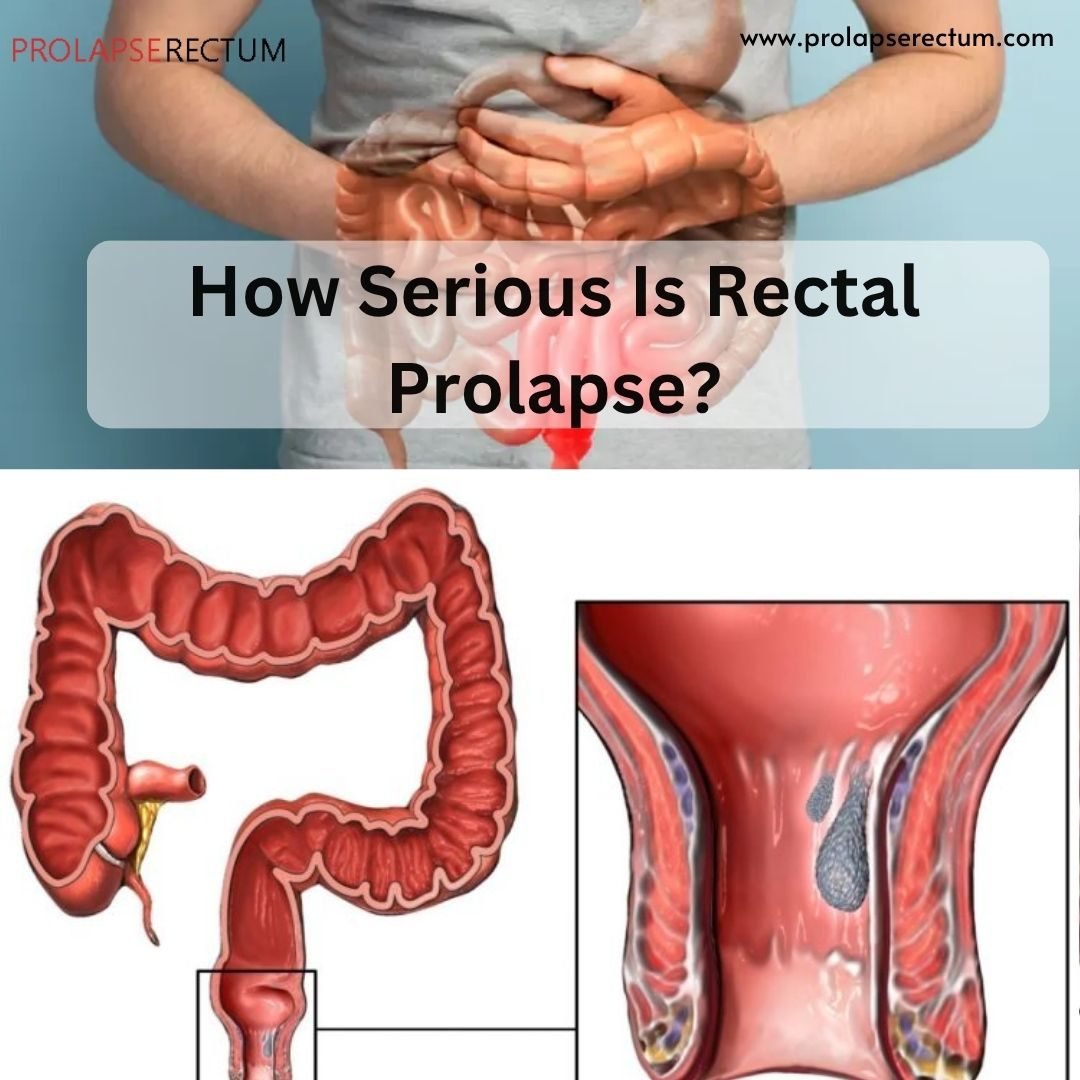
Rectal prolapse happens when the rectum, which is the terminal end of the colon, slides down to protrude from the anus. It might cause pain, discharge, blood loss, or lack of control over defecation. Rectal prolapse should not be confused with hemorrhoids since they are two separate ailments.
Common Symptoms to Recognise
Look out for any of these symptoms:
- The appearance of a red lump around the anus area.
- A sensation of incomplete evacuation of the bowels.
- Passage of mucus or blood from the rectal region.
- Difficulty with bowel movements or passage of stools.
If any of the above signs appear, then one should seek medical attention.
How Can You Reduce Your Risk?
Even though rectal prolapse is not always avoidable, maintaining healthy bowel routines might help in avoiding strain.
- Have a Diet Rich in Fibre: Eat foods such as fruits, vegetables, and grains that prevent constipation.
- Ensure You Have Sufficient Amounts of Water: Water keeps your stools soft.
- Do Not Strain Yourself: Obey the calls of nature without waiting for long durations to eliminate feces.
- Exercise Regularly: Gentle physical activity helps with digestion.
- Tone Your Pelvic Muscles: You can ask medical experts whether you should engage in pelvic muscle training.
To Bring It All Together
A diagnosis early in the process will help you to know more about your symptoms and consider proper forms of treatment. Should you suspect that you have rectal prolapse, then contact a Daya Ayush Therapy Centre.