
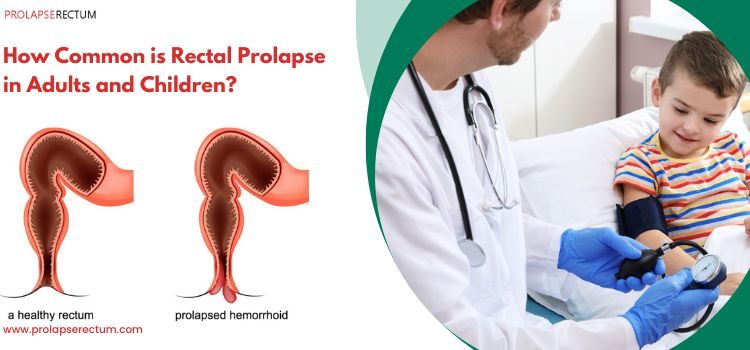
Summary: Rectal prolapse affects both adults and children. Causes differ by age, lifestyle, and health. Risk factors include age, constipation, childbirth, neurological issues, and malnutrition. Early diagnosis helps effective treatment.
Most individuals do not know that rectal prolapse, though uncommon, occurs both in adults and children. One needs to be conversant with how often it occurs because the knowledge aids in the early diagnosis of the condition and the right treatment. Pain, bleeding, and bowel control issues can be caused by rectal prolapse, which can get worse if ignored.
The condition does not occur in every age group with equal frequency. Adults are more likely to develop it, and in children, due to weak pelvic muscles or other health issues. Its occurrence is predominantly based on age, lifestyle, and individual risk factors. Let’s understand it in detail.
Risk Factors that Influence Prevalence in Adults and Children
Rectal prolapse can happen to both children and adults, but the causes can differ according to age, sex, and overall health. The factors need to be identified since they explain why others are more likely to develop this condition. In adults, prolapse can be due to lifestyle, medical, or childbirth problems, while in children, it is usually associated with nutritional or sickness problems. The factors listed below are the most common reasons that increase the risk.
- Age difference
- More common in older individuals, especially those above the age of 50.
- The tissues and muscles get weaker with time and predispose the rectum to slipping.
- Chronic diarrhea or constipation
- Straining on repeated occasions to pass stool makes muscles weak in the rectum.
- Frequent diarrhea also predisposes the rectum to extra stress.
- Multiple childbirths
- Women who have multiple vaginal deliveries are more at risk.
- The muscles of the pelvic floor become weakened with multiple childbirths.
- Neurological disorders
- Spinal cord injury, stroke, or multiple sclerosis can reduce muscle control.
- Nerve malfunction in the pelvic area makes one prone to prolapse.
- Other conditions and malnutrition in children
- In children, a lack of proper nutrition can weaken body tissues.
- Other illnesses like cystic fibrosis or chronic cough can also predispose.
Final Wording
Rectal prolapse is not common, but in both children and adults, it can happen. In adults, it is more common in older women, and in children, it is usually related to conditions like malnutrition or stomach diseases.
Treatment will become simpler once the causes and risk factors are known. With proper Ayurvedic treatment at Daya Ayush Therapy Centre, rectal prolapse can be managed, and complications can be minimized.
Questions That Are Frequently Asked
Q1. Can a 20 year old get rectal prolapse?
Ans: Yes, a 20-year-old can get rectal prolapse, though it is uncommon. It may result from weak pelvic muscles, chronic constipation, or genetic factors.
Q2. How common is rectal prolapse in children?
Ans: Rectal prolapse in children is uncommon but not rare. It often occurs under age four, usually linked to constipation, infections, or underlying health issues.
Q3. Can I live with rectal prolapse?
Ans: Yes, you can live with rectal prolapse, but it may cause discomfort. Treatment, lifestyle changes, and medical care help manage symptoms and improve quality of life
Q4. Why does rectal prolapse happen?
Ans: Rectal prolapse happens when weak pelvic muscles, chronic constipation, straining, aging, or nerve problems cause the rectum to slip out of its normal position.


