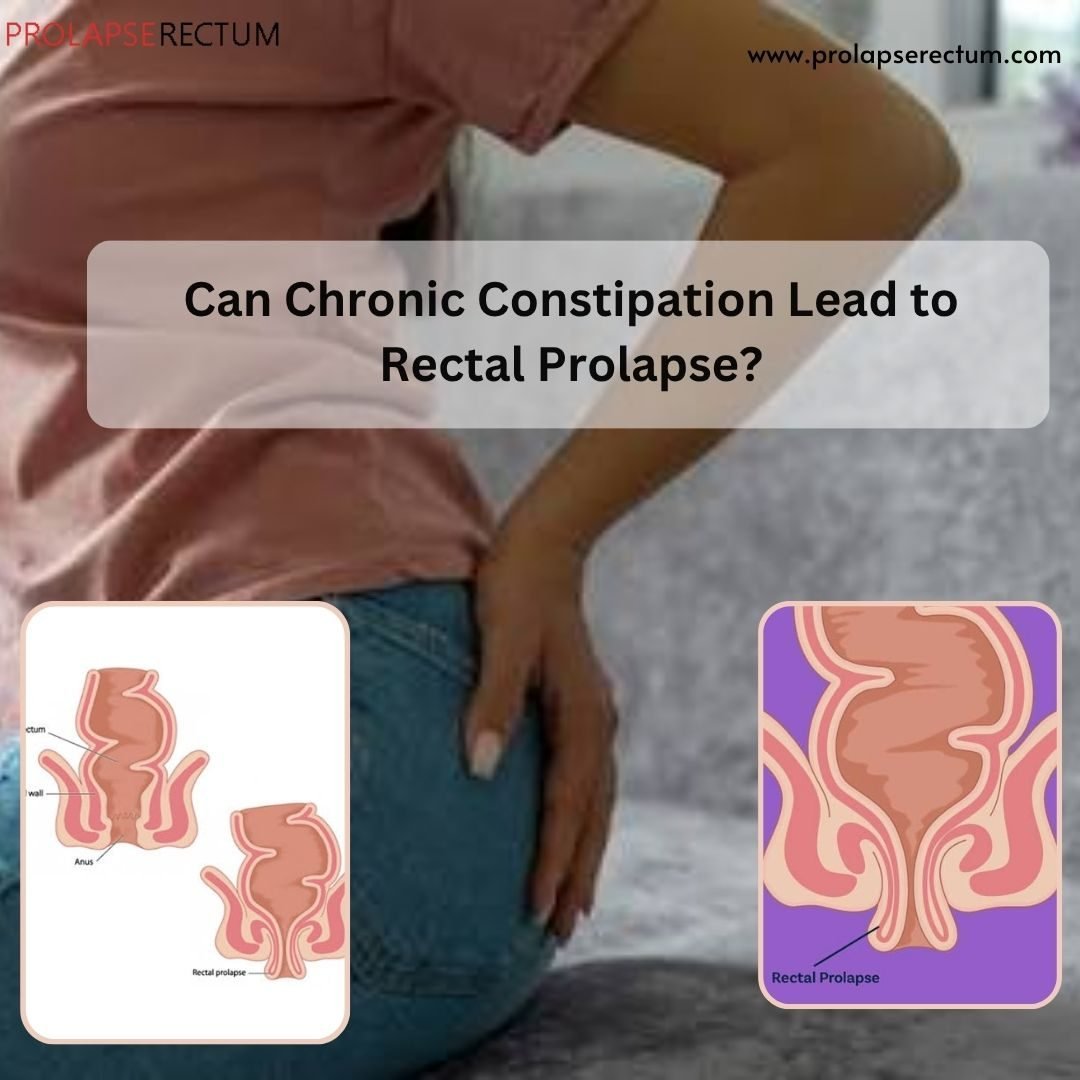
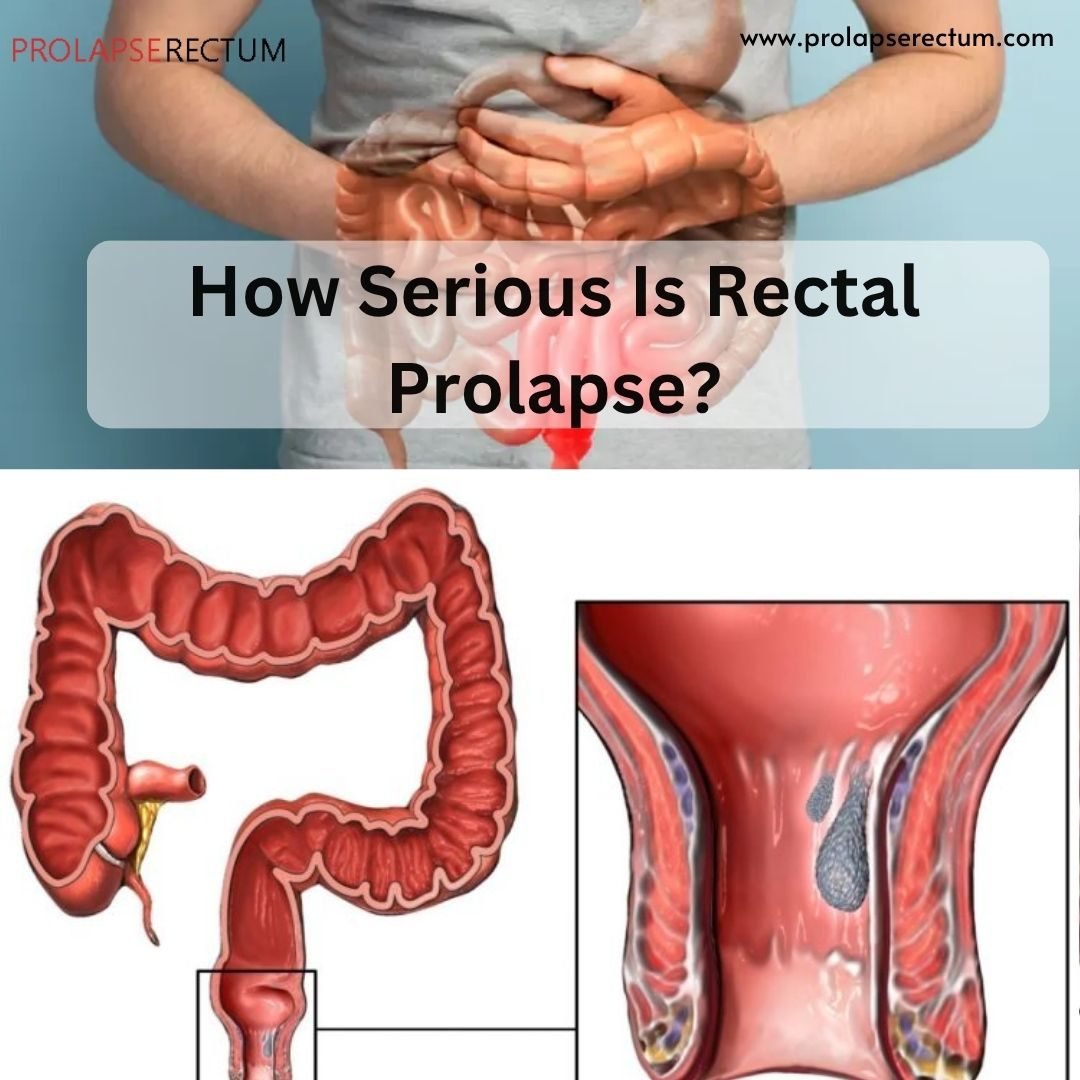
A rectal prolapse is truly a serious matter, with the tissues protruding through the anus as part of the bowel movement process. Although it does not have to be an emergency situation, it must never be ignored. Correct diagnosis will determine the seriousness of the problem and prevent it from getting worse.
6 Signs Rectal Prolapse Needs Medical Attention
Rectal prolapse can manifest differently in each individual. Being aware of symptoms can help determine whether consultation with an expert is needed.
- Protruding Tissue: Redness or pink protrusion is a symptom worth examining.
- Bleeding: Frequent bleeding, mucus, and irritation could suggest that the exposed tissue requires treatment.
- Discomfort or Pain: Persistent pain, pressure, or difficulty in sitting should not be ignored.
- Bowel Dysfunction: Constipation, straining, incomplete bowel movement, and loss of bowel control might happen.
- Prolapse That Stays Protruded: Inability to push the tissue back into place is a symptom that needs immediate medical attention.
- Tissue That Turns Dark: If the tissue has turned dark or purple in colour, this is an indication of decreased blood flow.
To Wrap Up
It can be a relatively minor condition or one that requires urgent care. The most important thing is not to delay seeking medical advice as your symptoms become worse. If you have noticed a rectal bulge, bleeding, pain, or bowel problems, contact Daya Ayush Therapy Centre right away.
FAQs
Q1. Is rectal prolapse an emergency?
Ans: Rectal prolapse is not always an emergency. However, one should get immediate medical attention if prolapsed tissue does not retract back, turns dark, becomes extremely painful, or bleeds excessively.
Q2. What happens if rectal prolapse is left untreated?
Ans: In case of untreated rectal prolapse, it may continue to progress, resulting in such problems as constipation, bleeding, pain, mucus discharge, or inability to control bowel movements.
Q3. Can rectal prolapse cause bleeding?
Ans: Yes. Prolapse of the rectum may affect exposed tissues and result in bleeding. If there is recurrent, profuse, or inexplicable bleeding, it should be checked out immediately.
Q4. Can rectal prolapse affect bowel movements?
Ans: Yes. Prolapse of the rectum may make bowel movements difficult, causing straining, constipation, incomplete evacuation, or loss of control over bowel movements.
Q5. Is rectal prolapse the same as hemorrhoids?
Ans: No. Rectal prolapse is a condition that involves protrusion of the rectum through the anus, while hemorrhoids are swollen veins. They have similar symptoms but different causes.