
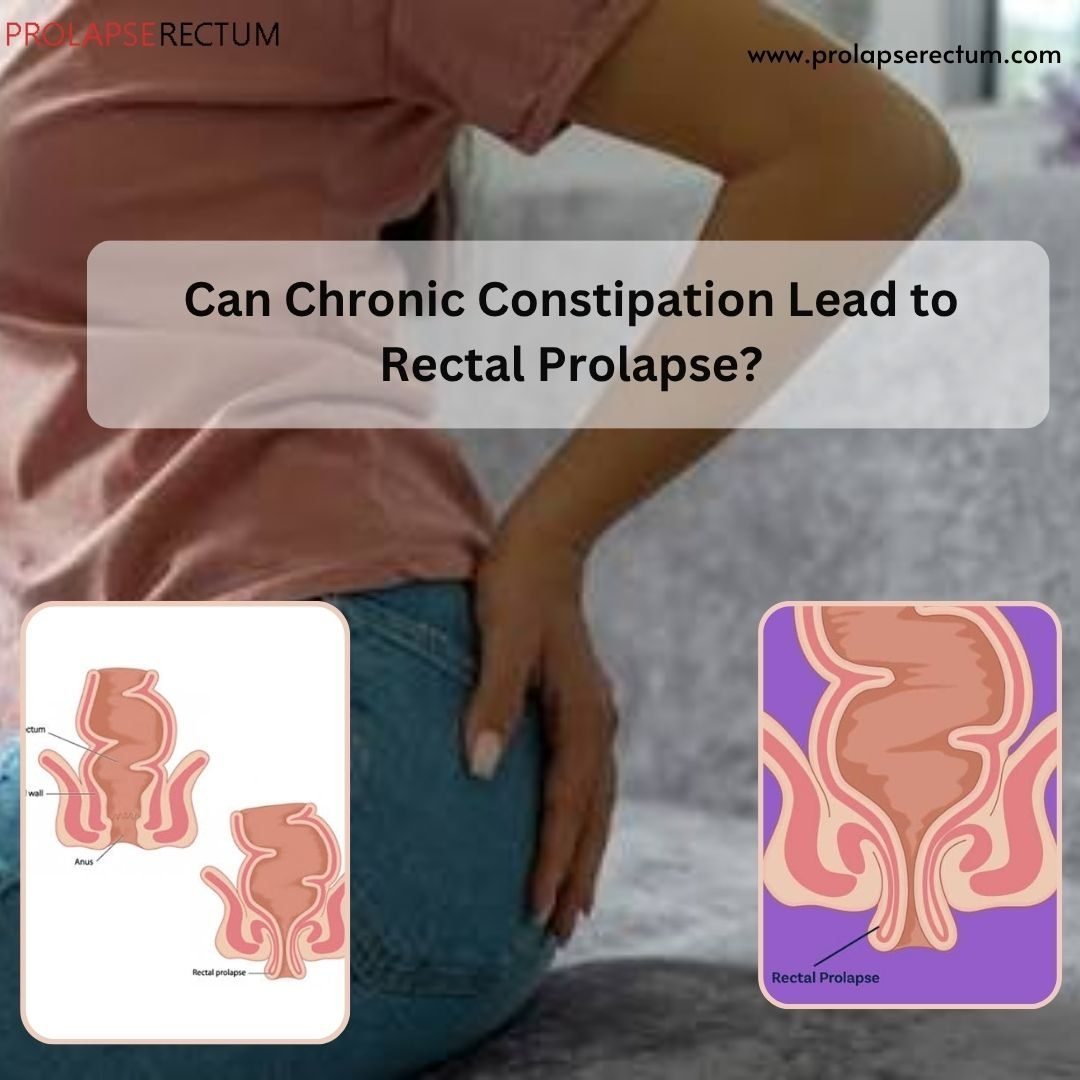
Summary: Constipation and excessive straining can affect the support of the pelvis and result in rectal prolapse. Controlling constipation through proper bowel habits, fibre intake, adequate fluid intake, and prompt medical intervention may help avoid complications.
Sometimes constipation can turn out to be the reason for a distressing condition called rectal prolapse. In rectal prolapse, many patients suffer from problems such as pain, swelling, and irregular bowel movements. So, it is important to manage the constipation or get rid of it permanently as soon as possible. Otherwise, it can make the condition worse over time.
How Constipation Can Result in Rectal Prolapse
Frequent straining and difficulty in evacuation may exert very strong pressure on the pelvic muscles and tissues holding the rectum in place. So, there comes the need to resolve the issue of constipation to provide relief to your pelvic floor.
- Straining: Pressure in the abdomen may be increased by straining in the process of defecation. This will push the walls of the rectum downward against the anus.
- Weakness of Pelvic Muscles: The rectum is supported by the levator ani muscle and the anal sphincter, which stretch and become weak with repeated stress.
- Loss of Scaffolding: Loosening of the ligaments and scaffolding of the rectum may cause the inner lining or even the whole thickness of the rectum to slip out of its place.
- Vicious Cycle: When a prolapse has already taken place, the condition may worsen further as the prolapse may prevent easy passage of stool through the rectum.
In The End
Neglecting constipation may not appear to be serious, but frequent straining puts tremendous pressure on your rectum and pelvic muscles. It is important to address constipation early to prevent the prolapse condition from worsening in the future. Seek help from Daya Ayush Therapy Centre to manage this condition naturally.
FAQs
Q1. How does straining during bowel movements affect rectal prolapse?
Ans: Straining too much leads to increased pressure on the abdomen and causes the rectum to drop. Pressure over time weakens the pelvic floor and can cause or worsen rectal prolapse.
Q2. What bowel habits can help prevent rectal prolapse?
Ans: Do not sit for long periods and do not strain when using the toilet. Ensure you drink sufficient water, eat enough fibre, react immediately to your bowels, and exercise regularly.
Q3. Why do hard stools increase the risk of rectal prolapse?
Ans: Hard stools are hard to pass and usually require more straining. Straining frequently causes pressure on the pelvic floor, which can weaken muscles supporting the rectum.
Q4. What are common symptoms of rectal prolapse?
Ans: Common signs include tissue protrusion through the anus, problems passing stool, constipation, mucus or blood, discomfort, and feeling like you have not passed stool completely.
Q5. What happens if constipation is left untreated with rectal prolapse?
Ans: If left untreated, constipation can lead to constant straining and hard stool, which can worsen the symptoms of rectal prolapse.

